The Blog
Five lenses on AI, psychology, and building
Every post connects back to one of five content pillars. Jump to the one that matches what you're curious about today.
Pillar 01
AI for Psychology
Practical ways psychology students, therapists, and educators can use AI tools responsibly in teaching, research, and practice.

AI for Psychology
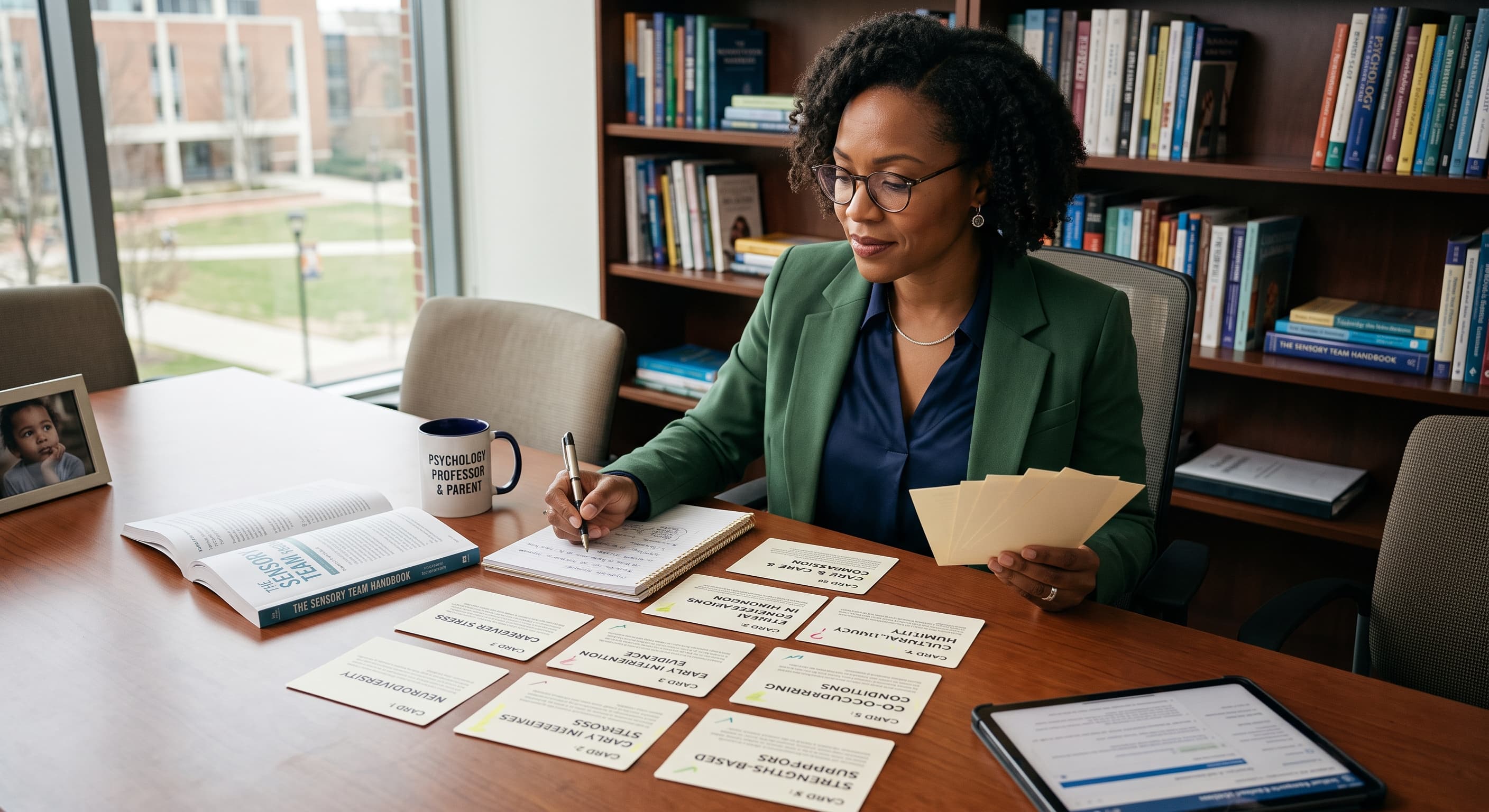
Scientists Mapped 1,800 Protein Connections in Autism. Here’s Why That Matters.
A new Science study from UCSF mapped more than 1,800 protein interactions linked to autism risk genes. Here’s why the finding matters for precision autism research.
August 29, 2026
AI for Psychology
Researchers Asked 10 AI Platforms About Autism. Here’s Where They Fell Short.
Researchers tested autism information from 10 free AI platforms at two different times. The answers were generally accurate, but many were too difficult to read, short on practical guidance, weak on references, and framed autism primarily through a medical lens. Here is what families and professionals should check before trusting an AI-generated health answer.
August 21, 2026

AI for Psychology
Can Venting to AI Actually Make You Feel Better? Psychology Is Starting to Find Out
Sometimes we don't need someone to fix the problem—we need somewhere to put it. New research suggests that venting to an AI chatbot can provide measurable emotional relief. The psychology behind why may be even more interesting than the technology.
August 9, 2026

AI for Psychology
The Best AI Stress Management Tools Teach Skills—Not Just Give Advice
The future of AI wellness isn't about replacing therapists or becoming another voice in your head. It's about helping people build practical stress-management skills they can carry into everyday life.
July 29, 2026
Pillar 02
AI Wellness Lab
Experiments in using AI to support (never replace) healthier habits, calmer routines, and evidence-informed self-care.

AI Wellness Lab
AI Is Becoming a Sleep Scientist—and That Could Change How We Understand Stress
Your sleep tracker can tell you how long you slept. The next generation of technology may help scientists understand what your sleeping brain is actually doing—and why it matters for stress, emotion, and long-term health.
August 3, 2026
AI Wellness Lab
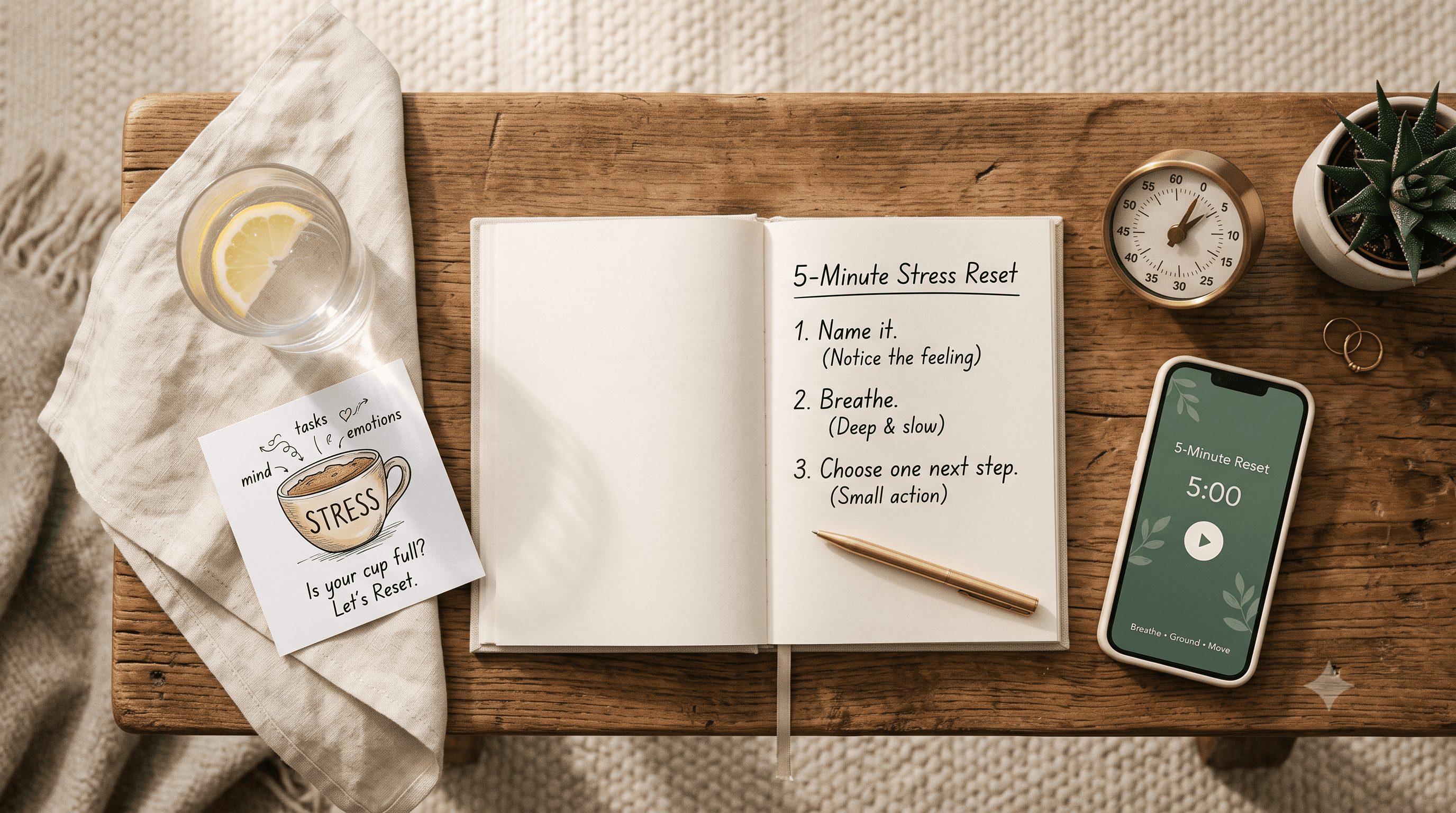
A 5-Minute Stress Reset I Built With — and Tested On — Myself
This 5-minute stress reset started as a simple experiment: could I build a tiny tool that helped me name stress, slow down, and feel a little more capable in real life?
July 15, 2026
Pillar 03
Build With Me
Behind-the-scenes, real-time builds — the apps, tools, and experiments Erica is making, mistakes and all.

Build With Me
Claude May Be Worth $1.5 Trillion—and the Reason Isn’t Just the Chatbot
Anthropic’s reported $1.5 trillion secondary-market valuation reveals where AI value is moving—from chatbots to specialized systems that complete work.
August 15, 2026
Build With Me
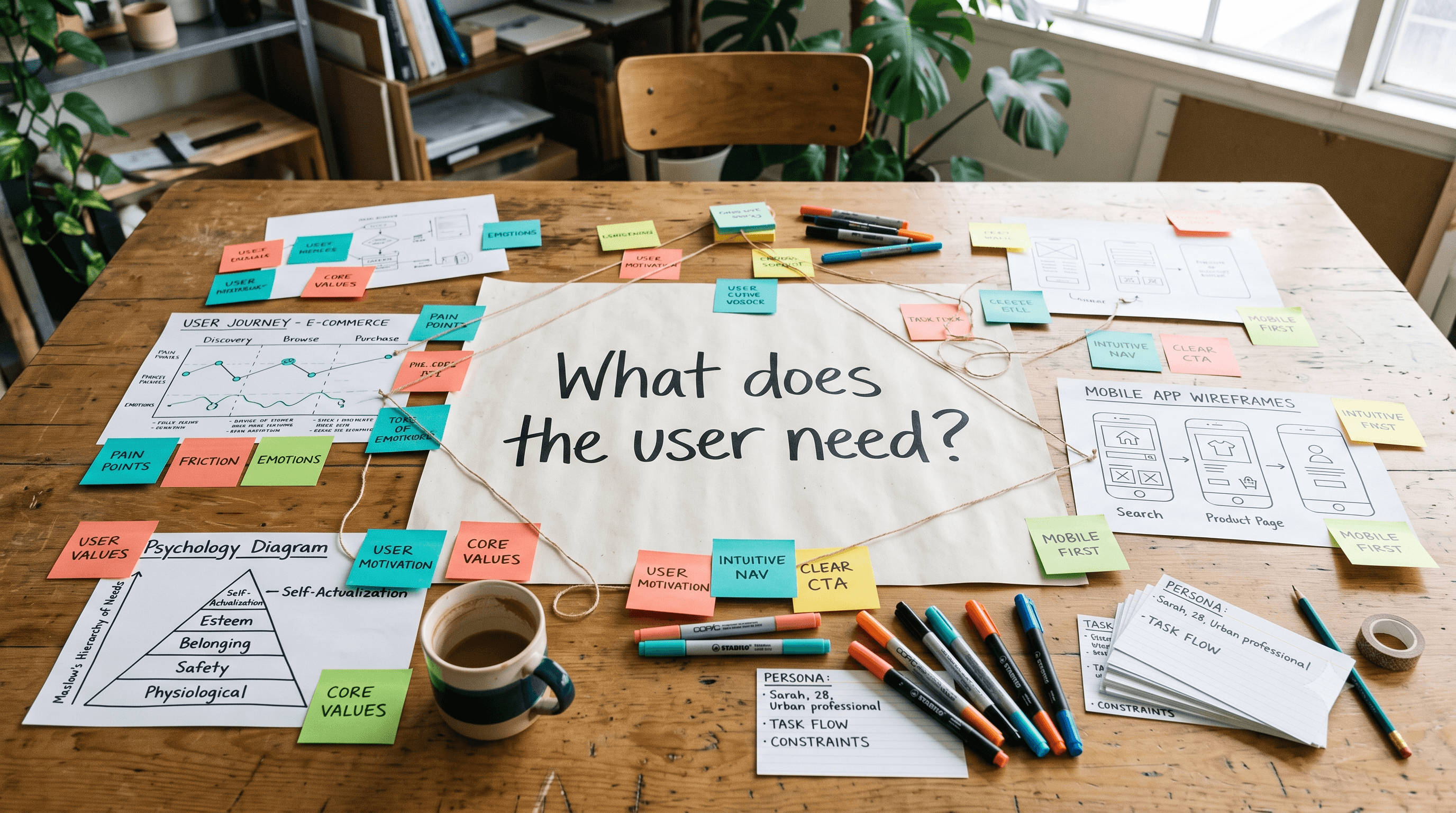
Why Every AI App I Build Starts With One Human Question
The best AI products don't start with features. They start with a simple question about the person using them. Here's the design philosophy behind every AI project I build.
August 7, 2026

Build With Me
Building the Stress Reset App: Part 1 — Starting With the Psychology
The 30-Day Stress Reset did not start with a dashboard, a color palette, or a feature list. It started with one psychology question: what helps people feel calmer, more capable, and less overwhelmed in real life?
July 24, 2026
Pillar 04
AI Experiments
Hands-on tests of new AI tools and workflows, with honest notes on what worked, what didn't, and what's worth your time.
AI Experiments
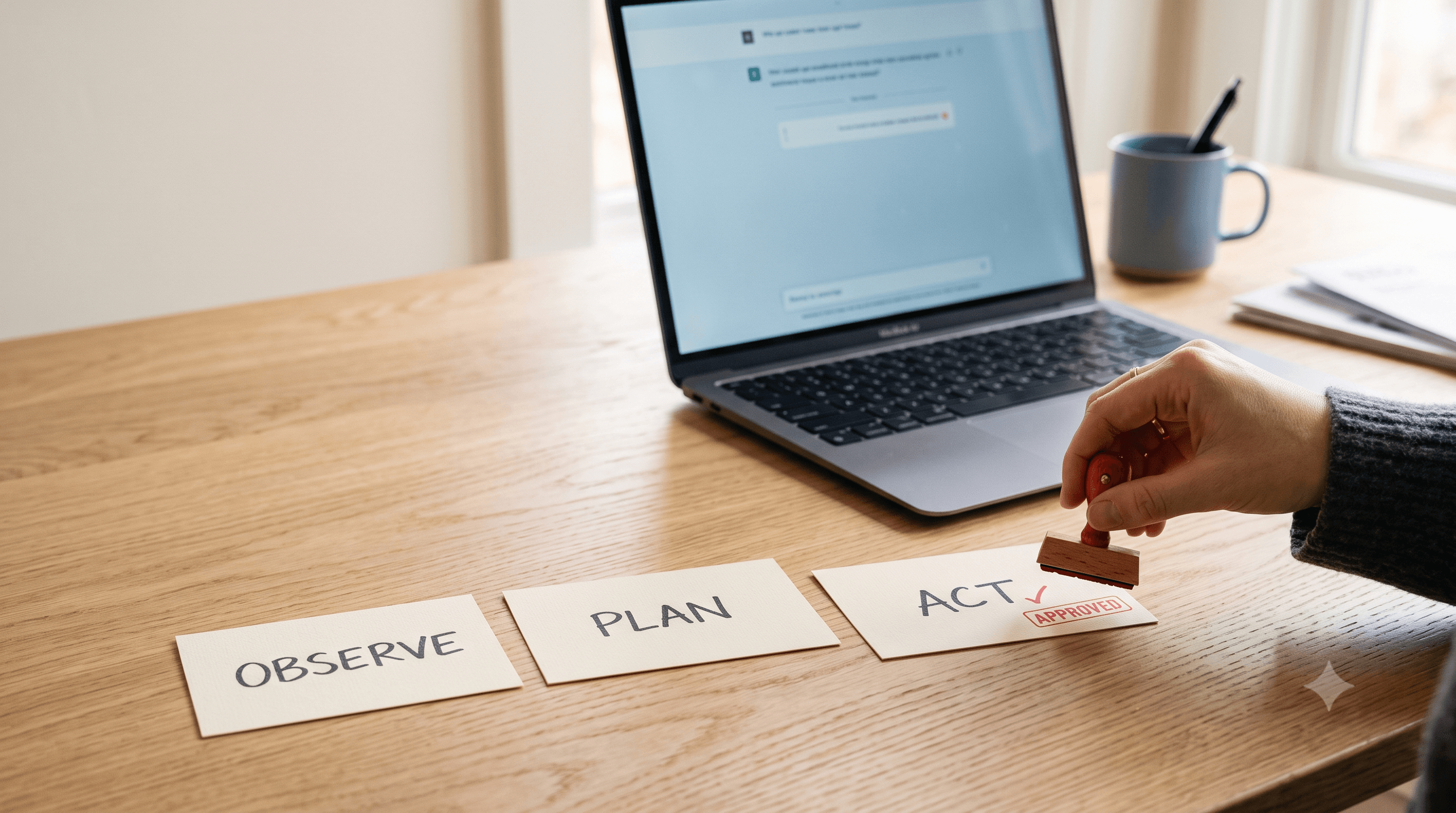
The New AI Experiment: Give the Agent a Smaller Job
AI agents can browse, code, summarize, click, and take actions. But the smartest experiment may not be giving them more power—it may be learning how to give them smaller, safer jobs first.
August 5, 2026
AI Experiments
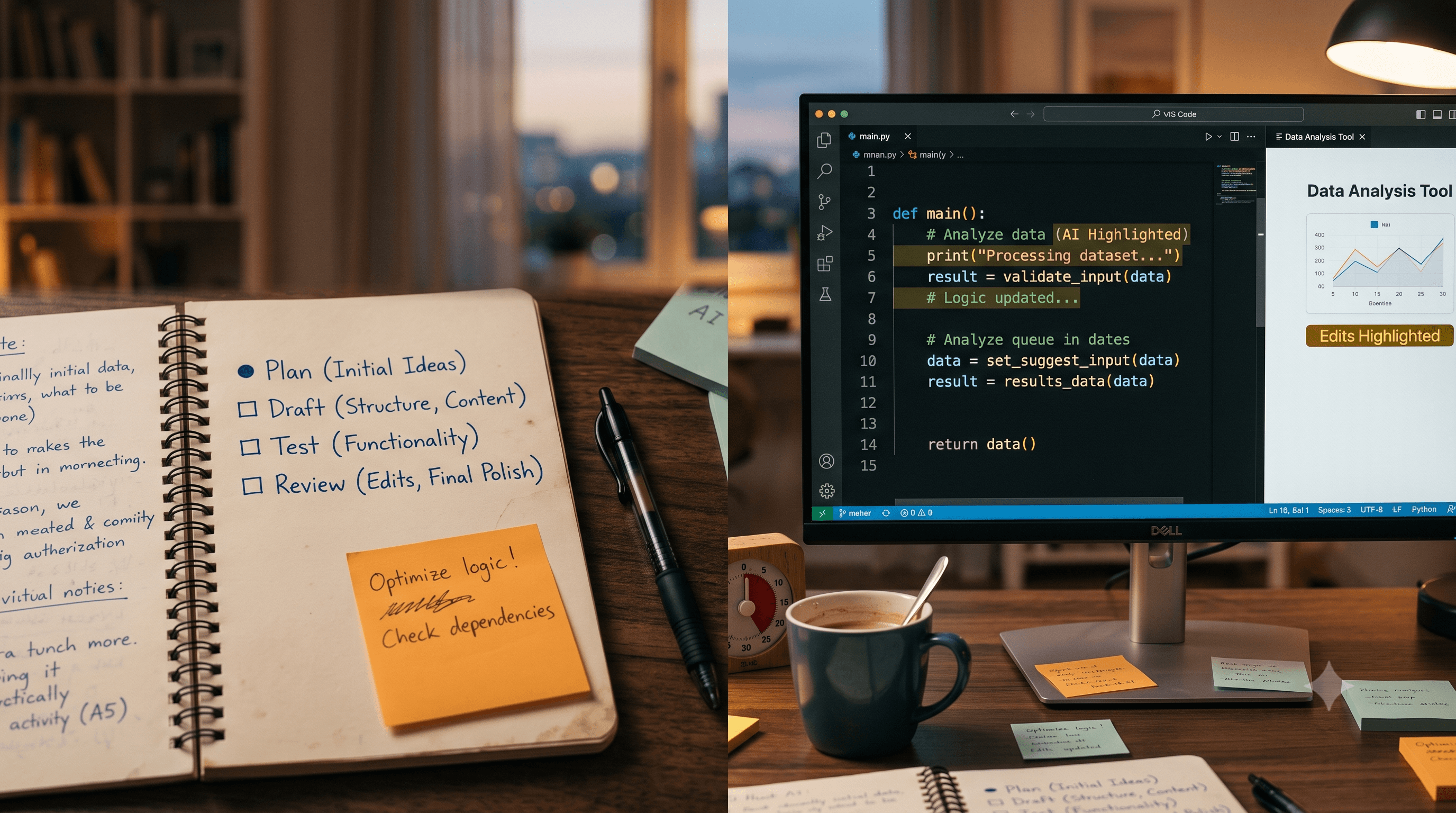
AI Experiments: Why I’m Treating AI Coding Agents Like Assistants, Not Autopilots
AI coding agents can generate code, suggest fixes, and speed up development. But my newest AI experiment is about something more important: learning how to keep human judgment, testing, and review at the center of the build.
July 30, 2026
Pillar 05
The Future of Psychology
Big-picture thinking on how AI is reshaping research, teaching, and mental health care — and what that means for the field.
The Future of Psychology
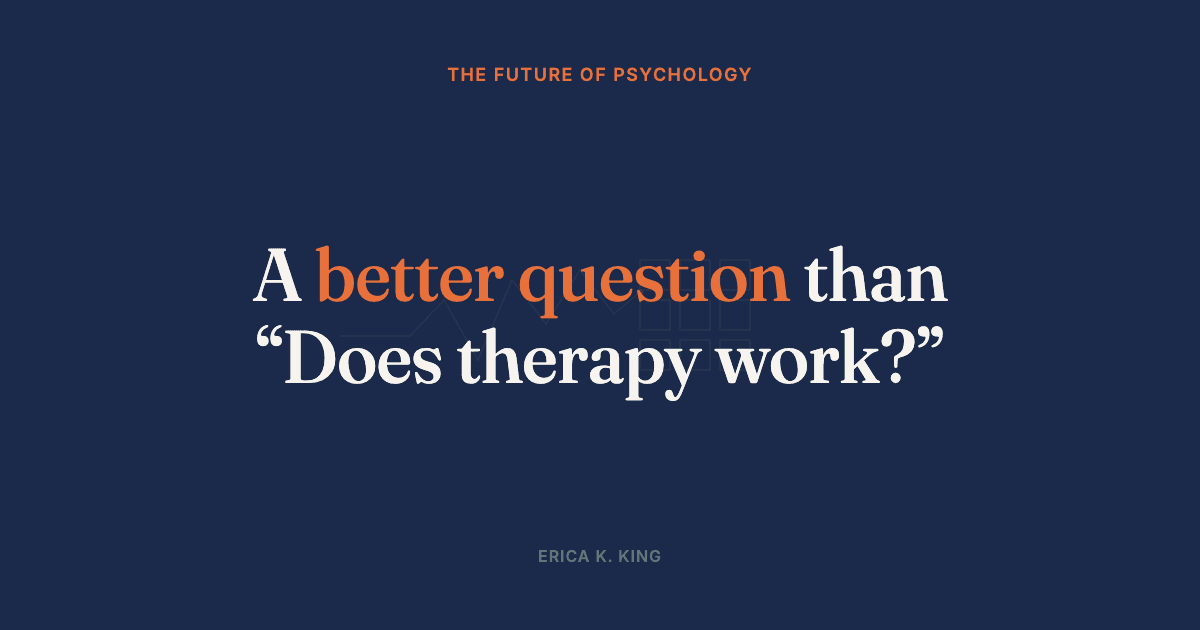
A New DBT Study Asks a Better Question Than “Does Therapy Work?”
A new open-access DBT study does not try to prove therapy works. It asks whether a real psychiatric hospital can actually deliver it — the gap between efficacy and implementation.
August 28, 2026
The Future of Psychology
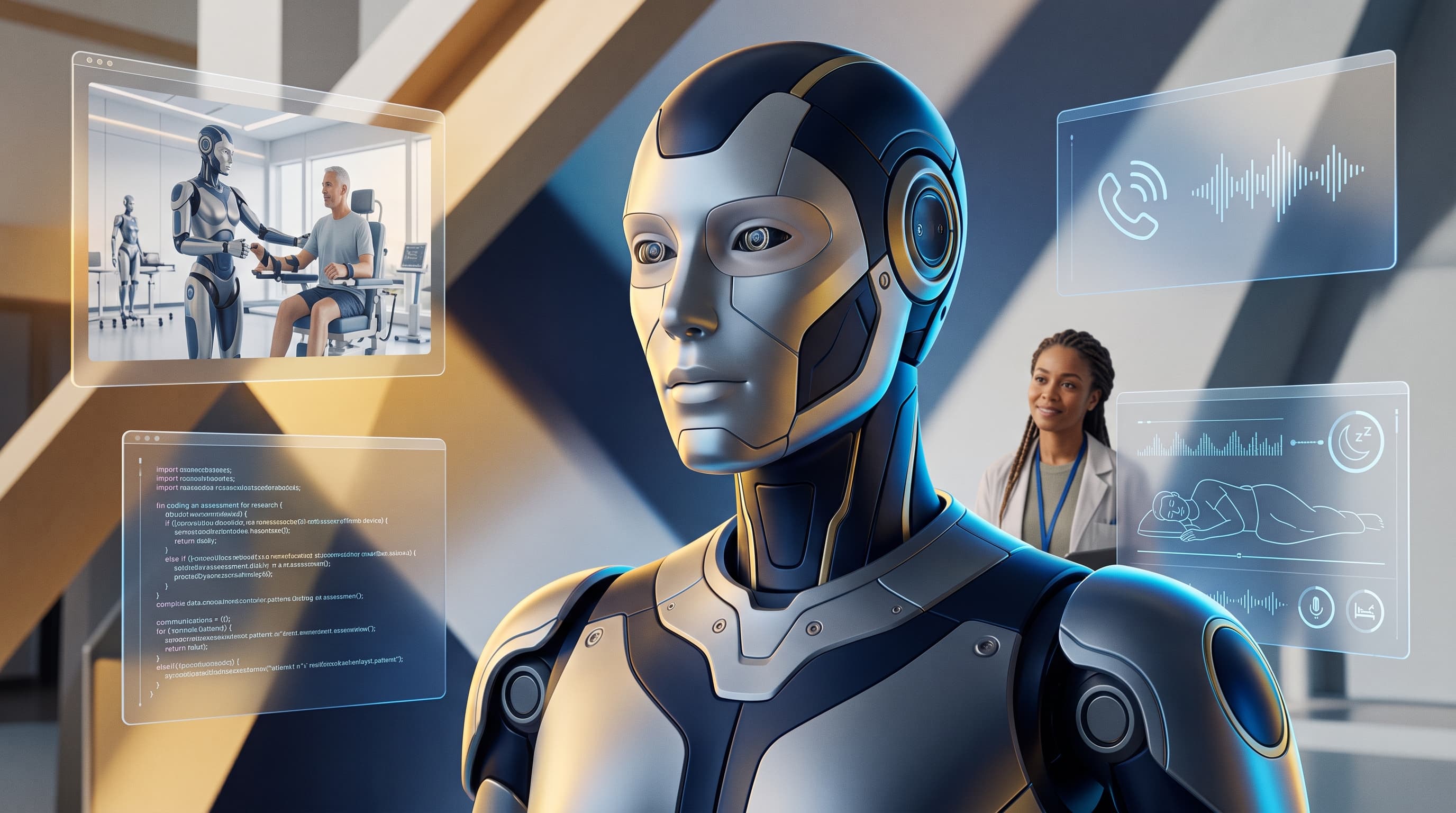
Robots May Be About to Have Their ChatGPT Moment
The next major AI breakthrough may not happen inside a chatbot. Robotics companies are racing toward embodied AI: systems that can perceive the physical world, plan actions, and control humanoid robots in unpredictable environments. If robot “brains” have their ChatGPT moment, the impact could reach caregiving, rehabilitation, logistics, education, public safety, and everyday home assistance.
August 21, 2026
The Future of Psychology
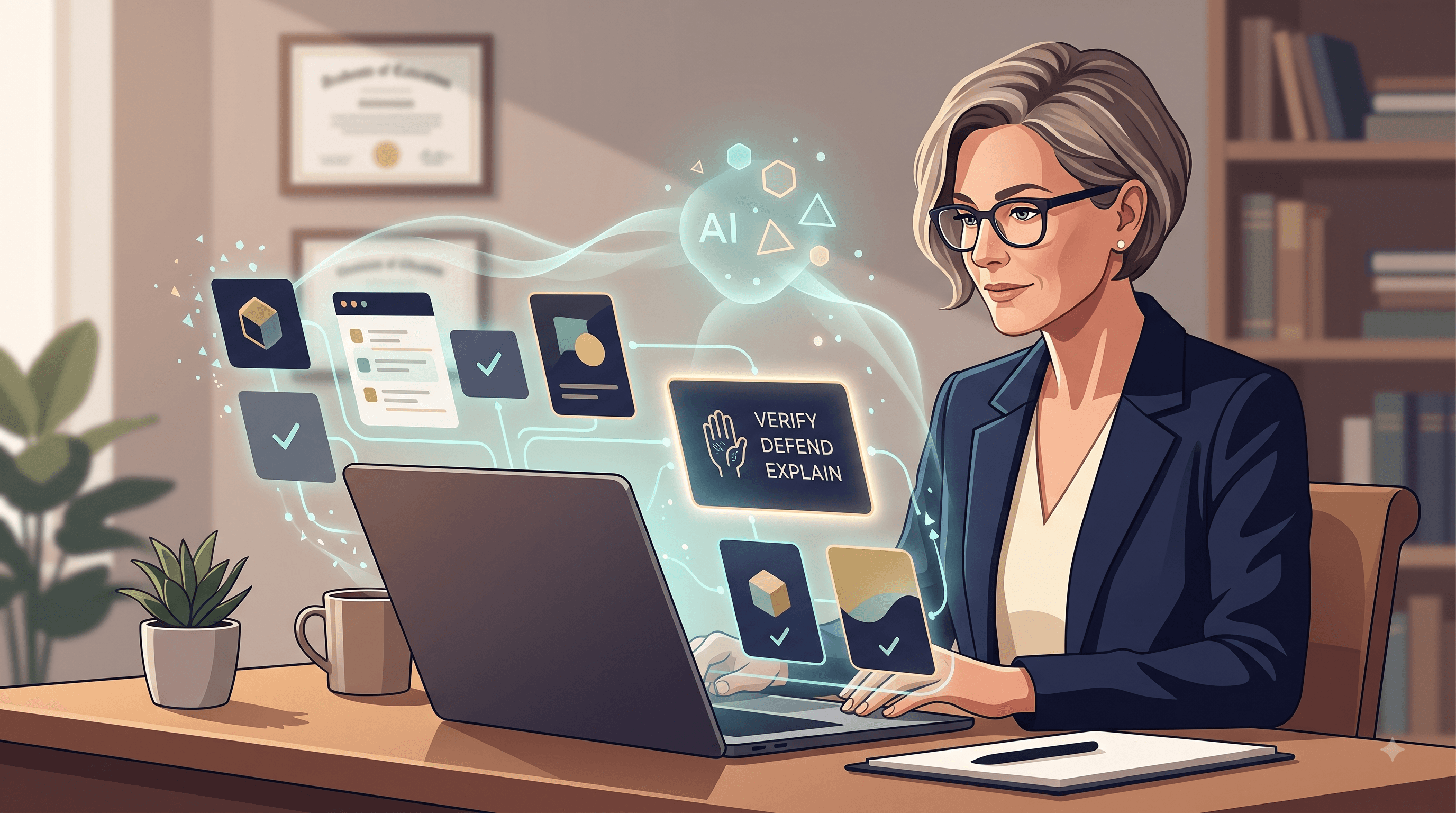
AI Isn’t Writing Students’ Papers Anymore. It’s Taking the Whole Class.
AI cheating in higher education is no longer just about ChatGPT writing essays. Agentic AI can now navigate course platforms, complete multi-step workflows, and raise a much bigger question for online learning: how do we know students actually learned? This post explains why AI detectors are not enough and offers a practical “proof of learning” approach for educators.
August 13, 2026

The Future of Psychology
Psychology Is Becoming Core Infrastructure for AI
Psychology is becoming more than a helping profession. As AI evolves, behavioral science is emerging as essential infrastructure for designing technology that people can trust and use well.
August 10, 2026
The Future of Psychology
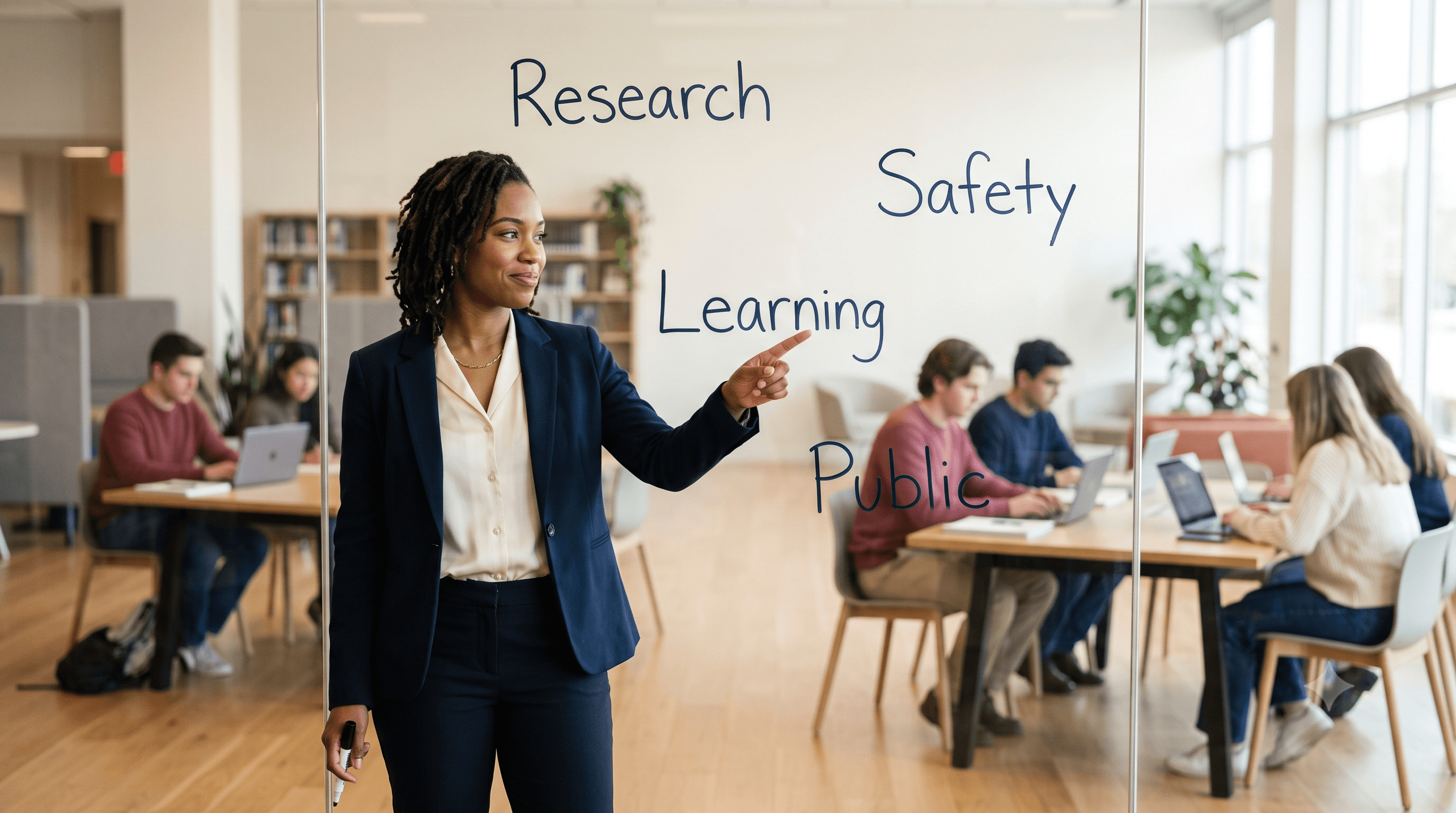
OpenAI’s New Research Push Is a Wake-Up Call for Professors, Students, and the Public
AI is becoming part of research, learning, work, and public decision-making. OpenAI’s latest research efforts suggest that the next challenge is not simply using AI more—it is learning how to use it wisely, safely, and critically.
August 3, 2026
Want new posts in your inbox? Join Lab Notes.