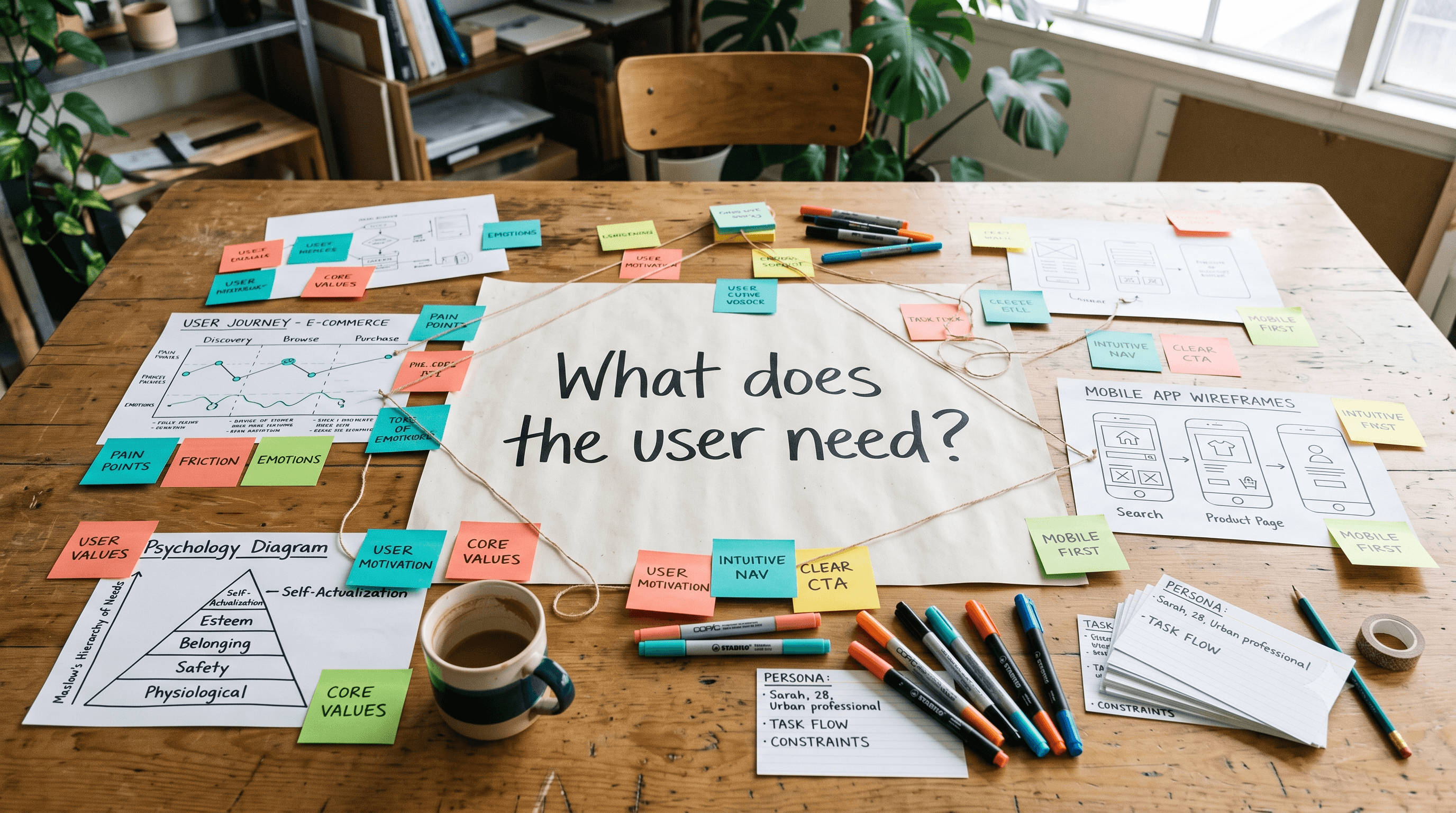
When I started building The 30-Day Stress Reset, I did not begin with code.
I began with a question:
What would actually help someone feel a little calmer today?
Not someday. Not after they reorganize their whole life, buy a new planner, become a morning person, and suddenly develop the nervous system of a monk on vacation. Today.
That question became the foundation of the app.
The App Before the App
The current version of The 30-Day Stress Reset is a simple interactive experience built around daily nervous system “snacks,” somatic tools, reflection prompts, breathing practice, and stress-pattern awareness.
The first screen introduces the idea clearly: thirty tiny, playful experiments.
That language matters.
I did not want the app to feel like another self-improvement bootcamp where the user already feels behind before they begin. Stress management should not feel like one more performance review from your cortisol.
I wanted it to feel doable.
Small.
Kind.
A little playful.
And grounded in psychology.
Why I Started With the Stress Cup
One of the first concepts I built into the app is the Stress Cup Visualization.
The idea is simple: we all have a limited capacity for stress at any given moment. Deadlines, relational loops, poor sleep, sensory overload, financial pressure, caregiving, uncertainty, and everyday decision fatigue can all pour into the cup.
When the cup gets too full, we may become more reactive, scattered, tired, tearful, irritable, shut down, or overwhelmed.
That does not mean we are weak.
It means the system is full.
The goal of the Stress Cup is to make the invisible visible. When people can name what is filling their cup, they often gain a little more room to respond instead of simply react.
That is psychology in action.
Naming Stress Is an Intervention
Day 1 begins with a simple practice: write down the three things currently filling your stress cup the most.
That may sound almost too simple.
But simple is often where behavior change begins.
Naming stress helps move it from a vague internal fog into something observable. Once it is visible, we can work with it.
The app reminds users: “Naming my stress is not weakness. It is the first act of taking charge.”
That sentence captures the heart of the project.
Stress reset work is not about pretending life is easy.
It is about building small moments of agency inside real life.
Why Tiny Practices Matter
The 30-Day Stress Reset is built around small daily practices because overwhelmed people do not need complicated instructions.
They need entry points.
A two-minute reflection.
A slow breath.
A glass of water.
A brief body scan.
A moment of noticing.
A reminder that the body is not the enemy — it is communicating.
Research-supported stress management approaches often include practices such as deep breathing, mindfulness, guided imagery, and progressive relaxation. The National Center for Complementary and Integrative Health notes that relaxation techniques can include deep breathing, guided imagery, progressive relaxation, and similar practices, while also cautioning that these tools should not replace conventional care when medical or mental health concerns need professional attention.
That balance is important.
The app is not trying to be a therapist.
It is trying to be a daily support tool.
The Psychology Under the Interface
Every feature in the app is really answering a psychological question.
The daily reset asks: What is one small practice the user can complete today?
The Stress Cup asks: What is contributing to overload?
The Breathing Gym asks: Can we help the body practice downshifting?
The Emergency Pouch asks: What does someone need when they are already overwhelmed?
The Spicy Index asks: Can users learn their own stress language?
The Calm Companion AI asks: Can technology support reflection without replacing human judgment?
This is the part of app building I love most.
A button is never just a button.
A prompt is never just a prompt.
A screen is never just a screen.
Each design choice teaches the user what the app believes about them.
I wanted this app to communicate: you are not broken; your body is giving you signals, and you can learn how to work with them.
Why Breathing Belongs in the App
Breathing tools are included because they are one of the most accessible ways to help people practice regulation in the moment.
Slow, intentional breathing can help interrupt the stress response and support relaxation. Harvard Health describes the relaxation response as the opposite of the stress response and includes deep breathing among techniques that can help activate it.
That does not mean breathing solves every problem.
Sometimes stress needs boundaries.
Sometimes it needs sleep.
Sometimes it needs support.
Sometimes it needs a medical professional, a therapist, a lawyer, a nap, or somebody to stop sending “quick question” emails that are absolutely not quick.
But breathing can create a pause.
And sometimes a pause is where choice begins.
Building for Real People, Not Perfect Users
One of my biggest design principles for this app is that it has to work for people who are already tired.
That means the app cannot require perfection.
It cannot shame people for missing a day.
It cannot bury the calming tools under twelve menus.
It cannot turn stress relief into homework with better branding.
The experience needs to be clear enough that a stressed person can open it and know what to do next.
That is why the daily structure matters.
One day.
One practice.
One reminder.
One small reset.
What This Does—and Does Not Mean
The 30-Day Stress Reset is a wellness and education tool. It is not a medical device, crisis intervention, or replacement for therapy, counseling, or healthcare.
Stress management practices may support well-being, and mindfulness-based approaches may help reduce symptoms of stress for some people. NCCIH notes that mindfulness meditation may help reduce symptoms of stress, including anxiety and depression, and may improve sleep, while also emphasizing the importance of understanding the evidence and using appropriate care when needed.
That is the lane I want this app to stay in.
Supportive.
Grounded.
Practical.
Human-centered.
The Bigger Vision
This app is part of a larger idea I keep returning to:
What if wellness technology helped people understand themselves better instead of simply tracking what is wrong?
I want The 30-Day Stress Reset to feel like a calm little companion for learning your stress signals.
Not a productivity machine.
Not a diagnostic tool.
Not another app yelling at you with streaks.
A gentle reset space.
A place where psychology becomes practical.
A place where stress becomes information.
A place where the user leaves feeling just a little more capable than when they arrived.
Final Thoughts
Building this app reminded me that good technology does not start with features.
It starts with care.
Before the code, there has to be a theory of change.
Before the interface, there has to be a human being in mind.
And before the app can help anyone reset, it has to be built around a simple belief:
Small practices can create real shifts.
That is where The 30-Day Stress Reset begins.